Katherine Elizabeth Seymour is a photographer, designer and emerging scholar and translator whose work explores questions of representation, identity, and cultural exchange across visual, textual, and material forms. A graduate of the University of Oxford, where she studied Japanese, she works across publishing, exhibition and research-based projects concerned with collaboration, translation, and the circulation of cultural narratives.
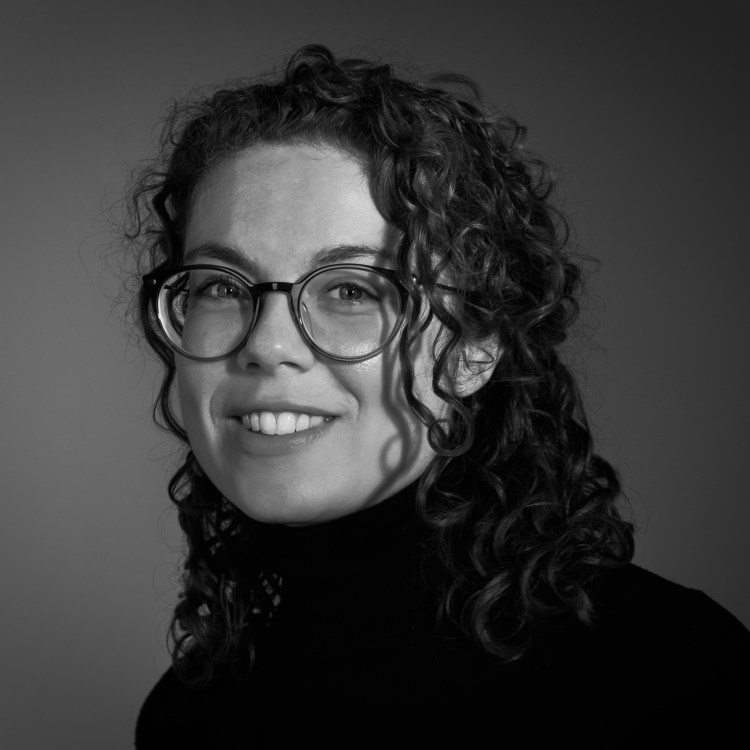
In her ongoing work as a photographer and designer, Katherine has spent over ten years working in coproduction with people with learning disabilities and/or autism through community and young people led projects, first as a volunteer and later as an Associate of the rights-based organisation, Changing Our Lives. In alignment with the organisation’s person-centred, coproduced ethos, her work spans portraiture, publication design, and exhibition projects centred on dialogue, individuality, and lived experience. Her practice is shaped by a sustained interest in representation, particularly the absence or simplification of disability within visual culture and public life. Rejecting tokenistic approaches to inclusion, she works closely with disabled people and, where appropriate, their families and support staff, to create images and publications that foreground personality, agency, and everyday experience.
Katherine’s interdisciplinary approach extends into her research and translation practice. Building on her undergraduate studies, in recent years she has independently researched and translated materials relating to the work of Onchi Kōshirō (1891–1955) and the pre-war Creative Prints movement, focusing in particular on the coterie journal Shosō (1935–1944). Her work seeks to explore how artists, writers, and small publishing circles shaped modern Japanese visual and literary culture during the pre-war and wartime Shōwa period, navigating censorship, material scarcity, and the tensions between collaborative experimentation and prevailing ideological pressures.
Across her creative practice and emerging scholarship, Katherine is interested in how ideas and narratives circulate through images, publications, archives, and acts of translation, and in the relationship between material form, cultural memory, and representation. Through publishing, research, translation and curatorial practice, she hopes to develop projects that connect scholarship with wider public-facing cultural engagement.
Notable Changing Our Lives commissions
The Invisible Artist (2026)
Documentary photography, text and publication design for a zine introducing the work of a self-taught artist with a learning disability and profound autism. The publication features a foreword by Dr Linzi Stauvers, Artistic Director for Education at Ikon Gallery and Pogus Caesar, photographer.
Eve Washington: Creative Powerhouse (2025)
Text, portrait photography, and publication design for a book developed in co-production with Eve Washington, an interdisciplinary creative practitioner with Down’s syndrome, whose gift for emotive storytelling spans multiple mediums.
Front and Centre (2025)
Project celebrating the individual personalities of people with a profound and multiple learning disability (PMLD) and the importance of family. Portrait photography, photo book design, and curation of a public showcase at Ikon Gallery, Birmingham, opened by photographer Vanley Burke.
Jayne Gallear: Picturing an Ordinary Life (2024)
Text, portrait photography and photo book commission celebrating the ordinary life experiences of Jayne Gallear, a woman with a profound and multiple learning disability (PMLD).
Matthew’s Story (2023; 2026)
Portrait photography, publication design for a book charting Matthew’s journey from long-stay hospital care to his own home, and curation of a mini showcase exhibited in dialogue with Foka Wolf’s Why Are We Stuck in Hospital? installation at Ikon Gallery (2023). One portrait was later featured again in What Are The Odds?, Ikon Gallery’s off-site creative health exhibition at the Library of Birmingham (2026).
Colour Between the Lines (2022)
Portrait series and publication design for an oral history project charting the lived experience and achievements of people with learning disabilities and/or autism from minority ethnic communities. Curation of a showcase exhibited at the Black Cultural Archives, London.
Research and translation
Ongoing Shosō research (2023–present)
Independent research and translation exploring Japanese modernism, publishing culture, and the collaborative networks surrounding the coterie journal Shosō (1935–1944).
Translation of the Shosō hanga-chō jūren-shū (1941–1943) (2023–2025)
Complete English translation of the nine surviving volumes of the Shosō hanga-chō jūren-shū, a wartime series of limited-edition print albums combining original prints and writings by artists associated with the coterie journal Shosō and the Creative Prints (sōsaku-hanga) movement.
Dissertation: The Past in the Present: urban memory, cultural nostalgia, and the spectre of war in Oda Kazuma’s Life in the City (1941) (2023)
Translation and analysis of Oda Kazuma’s Life in the City (Tōkai Seikatsu, 1941), the first volume in the Shosō hanga-chō jūren-shū limited-edition print album series, completed as part of the BA in Japanese Studies at the University of Oxford.

